Karna@lemmy.ml to Linux@lemmy.ml · 3 days agoGNOME 48 Release Notesplus-squarerelease.gnome.orgexternal-linkmessage-square2fedilinkarrow-up14arrow-down10
arrow-up14arrow-down1external-linkGNOME 48 Release Notesplus-squarerelease.gnome.orgKarna@lemmy.ml to Linux@lemmy.ml · 3 days agomessage-square2fedilink
Karna@lemmy.ml to Firefox@lemmy.ml · 4 days agoFirefox is Finally Adding Support for Web Appsplus-squarewww.omgubuntu.co.ukexternal-linkmessage-square0fedilinkarrow-up11arrow-down10
arrow-up11arrow-down1external-linkFirefox is Finally Adding Support for Web Appsplus-squarewww.omgubuntu.co.ukKarna@lemmy.ml to Firefox@lemmy.ml · 4 days agomessage-square0fedilink
Karna@lemmy.ml to Firefox@lemmy.ml · 19 days agoFirefox 136 Available With AMD GPU Linux Video Acceleration, AArch64 Linux Binariesplus-squarewww.phoronix.comexternal-linkmessage-square0fedilinkarrow-up11arrow-down10
arrow-up11arrow-down1external-linkFirefox 136 Available With AMD GPU Linux Video Acceleration, AArch64 Linux Binariesplus-squarewww.phoronix.comKarna@lemmy.ml to Firefox@lemmy.ml · 19 days agomessage-square0fedilink
Karna@lemmy.ml to Firefox@lemmy.ml · edit-21 month agoFirefox ForkServer Getting Ready To Enhance Linux Browser Performanceplus-squarewww.phoronix.comexternal-linkmessage-square0fedilinkarrow-up11arrow-down10
arrow-up11arrow-down1external-linkFirefox ForkServer Getting Ready To Enhance Linux Browser Performanceplus-squarewww.phoronix.comKarna@lemmy.ml to Firefox@lemmy.ml · edit-21 month agomessage-square0fedilink
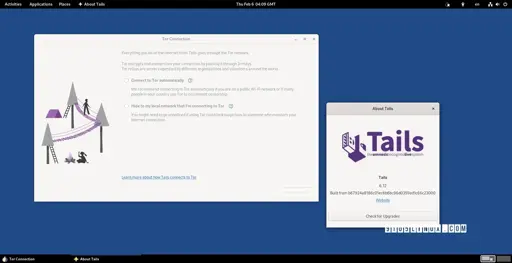
Karna@lemmy.ml to Open Source@lemmy.ml · 1 month agoTails 6.12 Anonymous OS Fixes Security Issues in Tor Circuits, Persistent Storage - 9to5Linuxplus-square9to5linux.comexternal-linkmessage-square0fedilinkarrow-up11arrow-down10
arrow-up11arrow-down1external-linkTails 6.12 Anonymous OS Fixes Security Issues in Tor Circuits, Persistent Storage - 9to5Linuxplus-square9to5linux.comKarna@lemmy.ml to Open Source@lemmy.ml · 1 month agomessage-square0fedilink