I live in Vancouver
5 pots by the window include:
- rubber plant
- monstera and snake plant
- an orchid
- a green anthurium
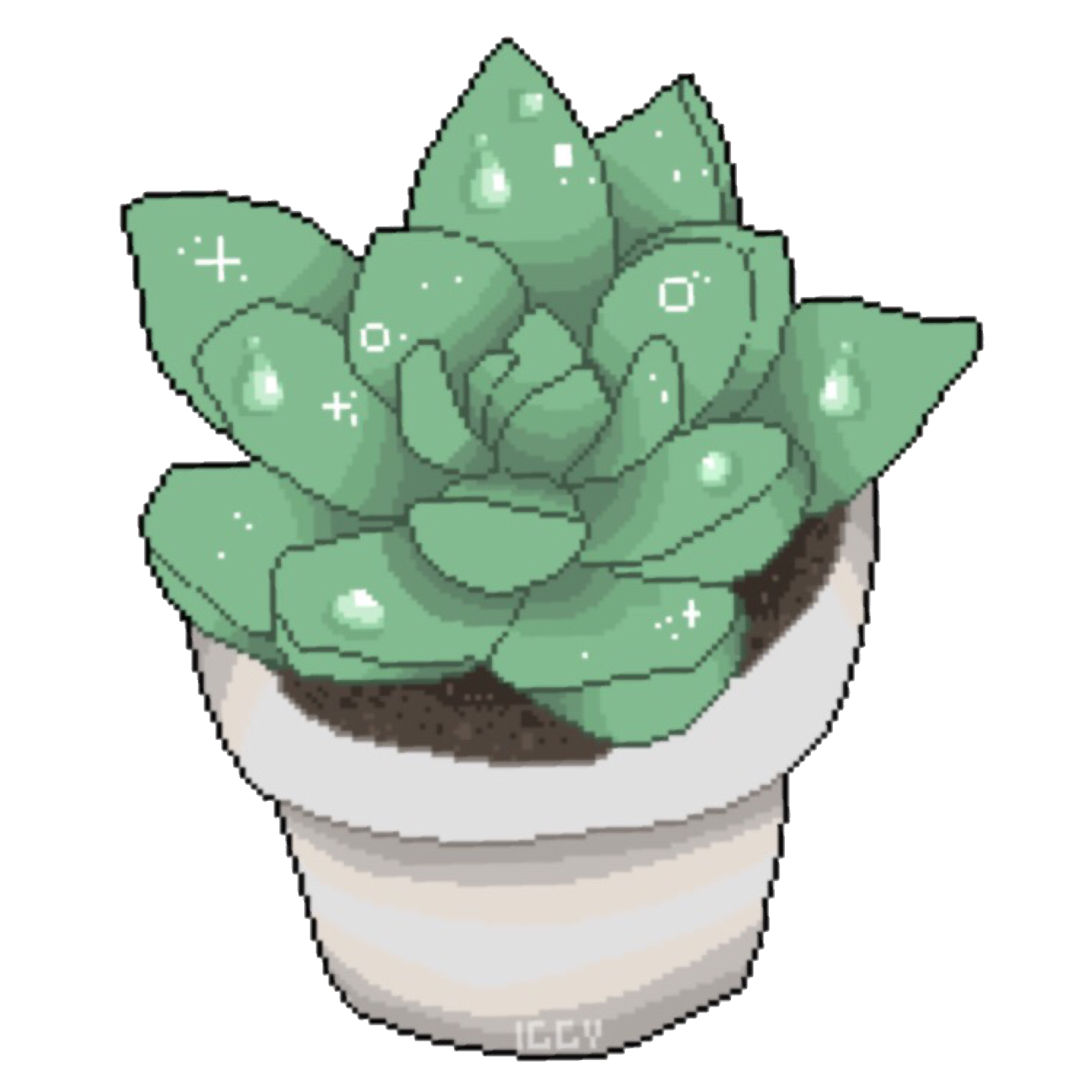
- this new plant:

They are very small, I didn’t notice they were bugs until today. I have been cleaning them away.
Some are dead, and some are walking. None are flying but they have wings.
What is it? What should I do to prevent the spread? How can I cure it in the long term?
They are still contained around the window sill. I want to get rid of them before they start flying around my home.
Should I put the plants outside?
Looks like fungus gnats
100% fungus gnats.
The only thing that worked for me was mosquito dunks.
Soak a dunk in water for at least 24 hours. The more potent the water is, the better it will be at eradicating the larva.
It will take a few waterings since it only gets the larva at a certain stage, but eventually they’ll be completely gone if you stay persistent with only watering with dunk-steeped water.
Edit: sorry this was meant for OP.
Thank you
Should I wait for the plants to get dry before I water it each time?
It really depends on things like the pots, how dry the room is, sun exposure, time of year etc. but it took some time for me to figure out a watering routine.
I’ll sometimes poke one of those bamboo skewers into the top third of the soil… if it pulls out dry then I water. If it’s dry past that then I make sure to give it a proper soaking.
Nah. Just water as normal. A few doses with mosquito dunk infused water is all it will take. I find the treatment will last at least a few months to prevent them from returning. If i do see more later on just one dose in previously treated soil is enough to get rid of them.
I work at a plant nursery and we always tell people to mix 1 part hydrogen peroxide 10 parts water, then water the plant as normal with the solution. It kills the fungus and the gnats will starve to death.
Repeating fungus gnats as the answer. I use a few strategies to manage them:
- yellow “sticky strips” (can be purchased at garden stores and Amazon) that you stick into the pot. They’re ugly, but the flies love them.
- dish soap bath for plants that can handle it (the blue Dawn extra strong soap is best).
- bottom watering, or letting the top of the soil dry out between waterings
Humid environments require lighter watering. You might want to get a soil moisture detector so you can see how moist your soil really is and determine if you need to water.
Could be fungus gnats though our occasionals seem smaller than what’s photographed.
What’s worked for us for long term control of soil born pests is a combination of bottom watering and a layer of coarse sand for mulch for our indoor plants. Playground sand is too fine and can prevent proper gas exchange in the substrate but builder’s sand works well. It’s probably less expensive to call a landscape supply place near you and fill a bucket than to buy it in a box store unless you have enough indoor plants to use 50lbs/22.7kg. We use a large clay tray pot for the bottom watering and then everybody goes back to their own tray after a drink.
Fungus gnats in particular lay in wet soil, and not very deep. A few mm of sand keeps them from finding any hospitable place to lay their eggs. The bottom watering helps prevent any disturbance of the sand mulch which might reveal wet soil.

They look like boogs, they like plants and stoof. Get yourself a big o’l spider, they love eating boogs —totally not spider
Neem oil spray and watering could help. https://en.wikipedia.org/wiki/Neem_oil
fungal gnats
Try watering your plants with a small amount of dish soap or vinegar. They’re likely propagating off of your plants but they could also be coming from some other mold such as expired fruit or rotten wood.
We added a new plant recently. I suspect that it started from there.
I read online that the ratio is 1:4, does that sound about right?
I don’t have a good solution, but sundews seem to catch a shit ton of them
The other replies have it covered but to add a few things:
-
I agree with mosquito dunks but also get some of those sticky traps. The dunks kill the eggs, the traps get the adults. You’ll get faster results using both
-
They don’t feed on or harm the plant. They’re just extremely annoying and multiply like crazy
Fungal gnats? Absolutely harmful to the plant. They damage roots in their larval state.
Only in extremely large numbers! The larvae would have to run out of easy-to-get food in the soil before turning on the much more difficult-to-eat plant
Adult fungus gnats do not feed on or damage plants but are a cosmetic nuisance. Fungus gnat larvae typically feed on decaying organic matter and fungi in the soil. However, if larval numbers are high, they may damage roots by feeding on root hairs or tunneling into the roots themselves. This sort of damage is rare in home settings.
I came home from a trip to an infestation so bad it looked like I was trying to breed gnats. I was cleaning bug crap off the walls for weeks but my plants were totally fine
-
The only solution.
I used mosquito bits previously but have recently found a liquid source of BTI that is much more convenient since I don’t need to wait for the bits to soak.
I find bottom watering an impossible thing with the amount and size of plants I have so just adding the BTI during normal watering a few times past when you think you got them all, along with the sticky traps, should do the trick.
If you replant or add more soil I recommend starting another round of BTI right away for several waterings to prevent them from occuring again, since they seem to be prevalent in potting soil mixes.
deleted by creator